Happy Read A Map Day!
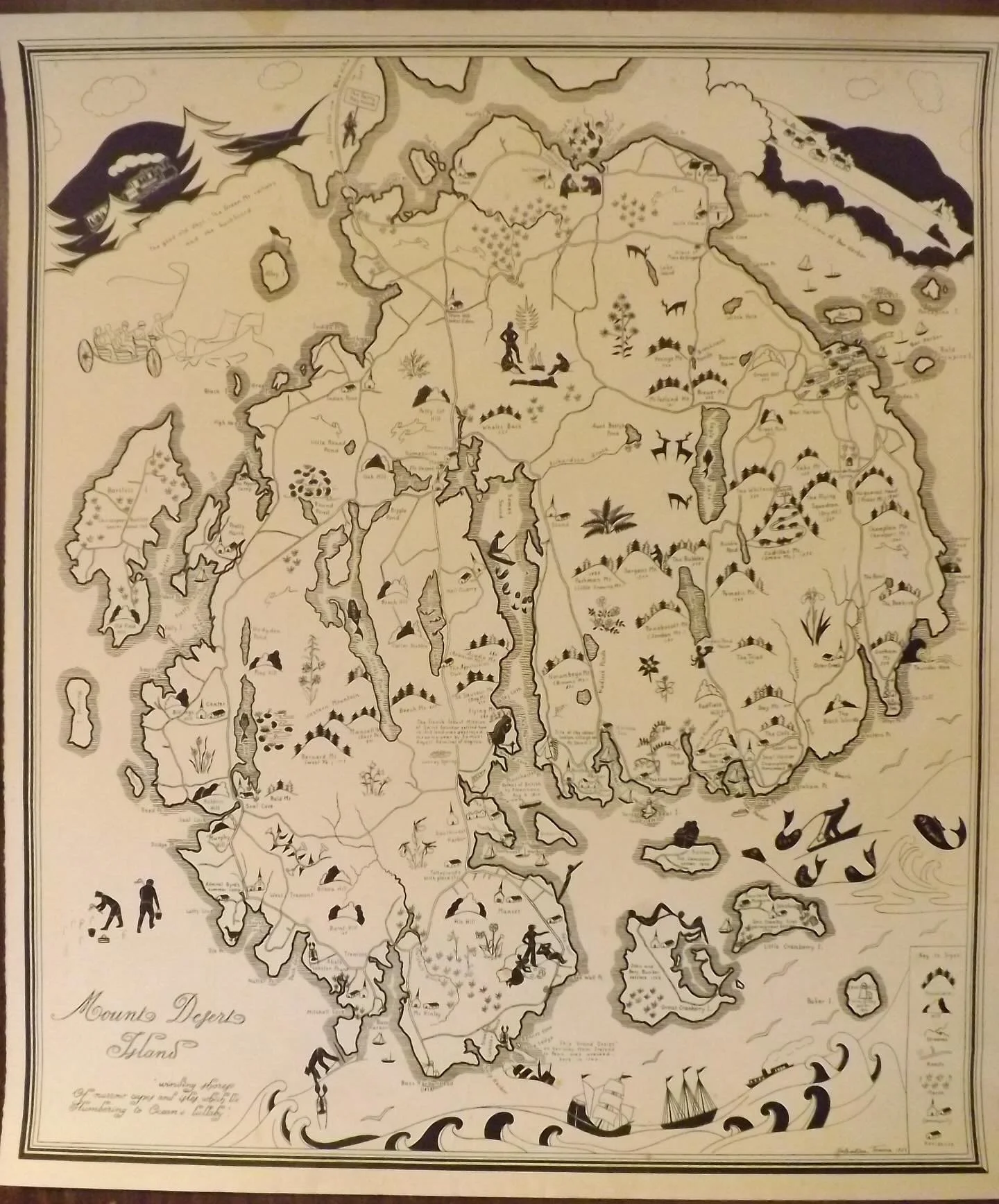
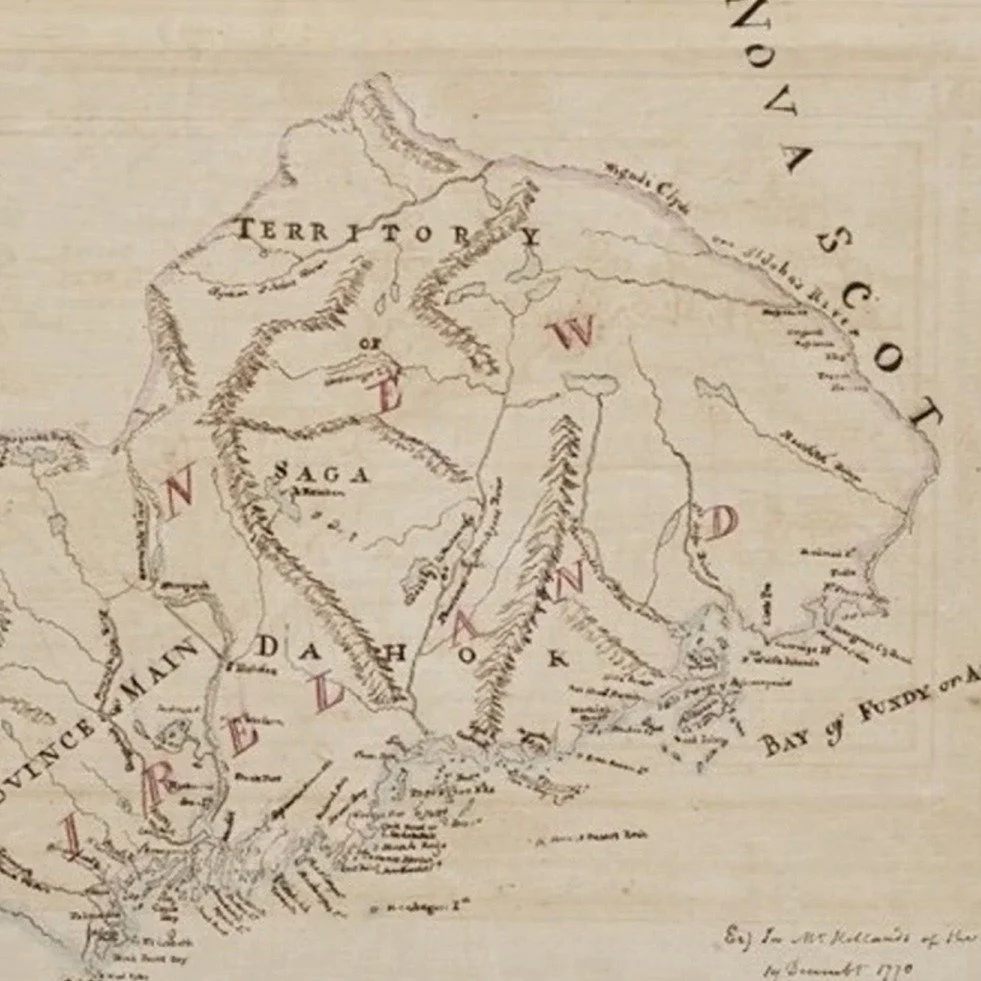
The MDI Histocial Society’s collection houses about 159 maps which range from trail maps across the ages, highway maps, to tourist maps which might help end the family argument of “what was the name of the restaurant we ate at on our visit back in 1978?” The tax maps and real estate maps are probably the most often viewed.
Tucked into a flat file folder in the bottom of Cabinet One is one of our Collections Assistant Jennifer Heindel’s favorites. Having looked at and taught about maps over the years she has seen many maps and this one has a little something for everyone.
Need to know what the early name for Champlain Mountain and the Flying Squadron Mountain was? Got it! Newport Mountain and Dry Mountain respectively. Need to know where to stay away from during mosquito season? Got the marshes marked! Need to know some history? It locates the battle where the Americans defeated the British on August 9, 1814: the Battle of Norwood Cove. It also gives us the possible location of the Jesuit Mission at Saint Sauveur. Curious about shipwrecks? It’s got the Grand Design which sank near Long Ledge in 1740. Sadly, it doesn’t give us the location of the famed cave with the pirate ship inside. Hmmmm....Need a poem to inspire your day? Written on the bottom left corner “Winding shores of narrow capes and isles which lie slumbering to Ocean’s lullaby.”
The map would make a great addition to any drawing room or study because of it’s stunning graphics of flowers, a lovers embrace, crashing waves and lounging around a cozy campfire. This really is a fun little map.
Image: Illustrated map of Mount Desert Island, reprinted in 1932 by Valentine Tonone, from the collection of the MDI Historical Society.
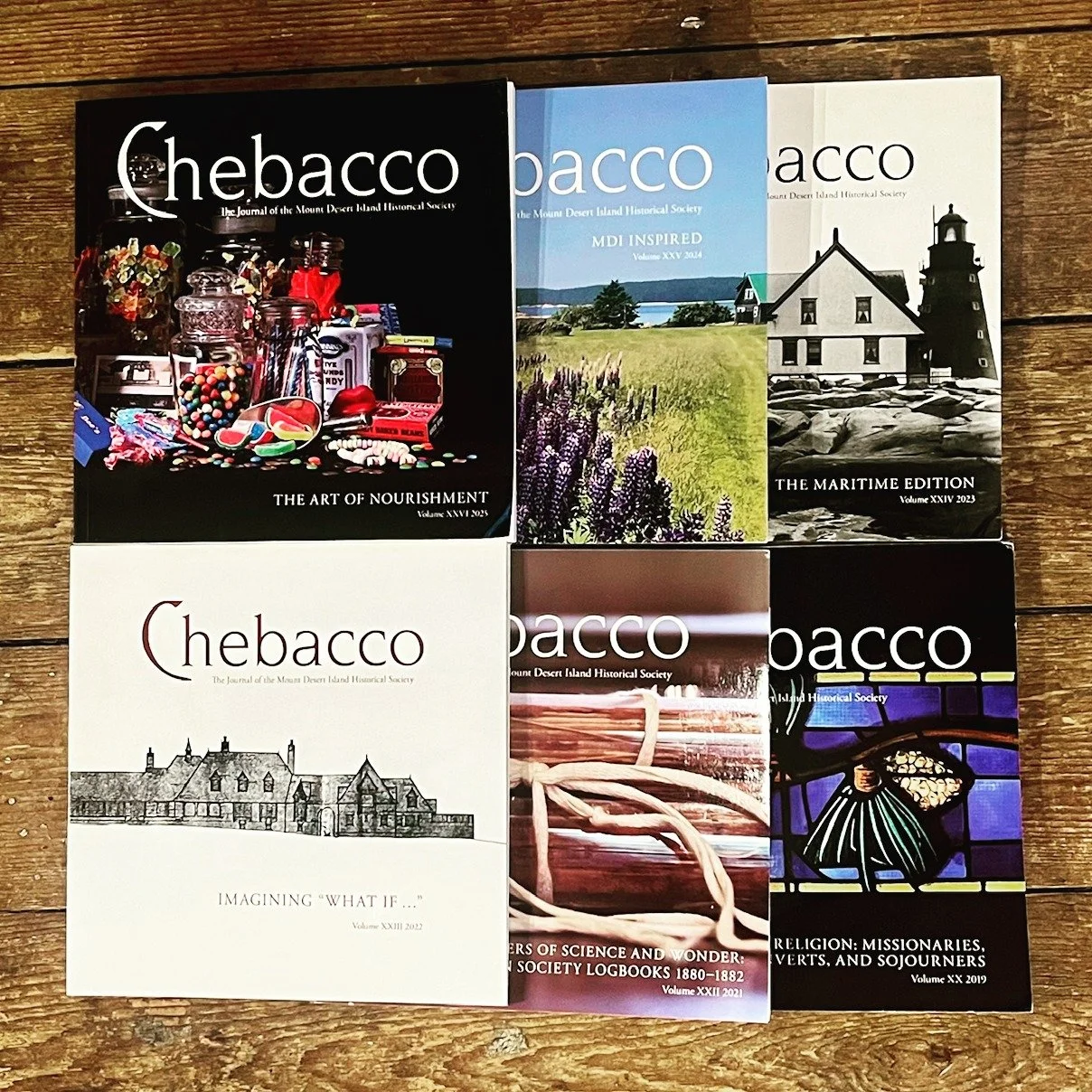
The Mount Desert Island Historical Society is recruiting volunteer authors for the 2027 issue of "Chebacco," the society’s award-winning history journal. The issue's theme will be: Notes from the Island (Music Edition). The initial deadline for first drafts is early September 2026, with time for editing and revisions as needed prior to copyediting in December 2026. Please send your 100 to 250-word proposal by April 30, 2026, to Raney Bench, raney@mdihistory.org.
Music is more than entertainment; it captures memories in composition, crafts connections by performance, and elevates identities through storytelling. The history of Mount Desert Island features rich musical accompaniment, and this edition of Chebacco challenges you to listen closely to the sounds of our lived experience. How has music shaped our island’s connection to one another, or to the world around us? What are the soundscapes of historic harmony, dissonant conflict, or rhythmic continuity? What counts as “music” in our complex historical record? Silent archives can give the false sense of a muted past, when in fact the tremendous commotion and composition of music shaped lives and decisions in historic ways. Chebacco 2027 will perform a written concert of historic sound, featuring generations of artists and those who took their music to heart.
Chebacco is published annually and has won national and regional awards for excellence. The journal is distributed to approximately 800 readers and is available online through our website. Chebacco is printed in full color, in large format, with illustrations and commissioned artwork. Authors are also invited to give talks about their articles after publication. Each article is approximately 3,000 words long, written in a historically rigorous yet accessible style, and edited by professional editors for accuracy and excellence. For specific guidelines, please read our author’s guide on our webpage. Link in bio.
The fight for the vote reached Mount Desert Island long before white American women were granted the right in 1920. In 1914 and 1917, Jane Addams, the "spiritual godmother" of the League of Women Voters, spoke in Southwest Harbor and Bar Harbor, urging local women to extend their sense of responsibility beyond the home to protect their communities.
Since the first local chapter officially formed in 1940, these women have been tireless advocates for change. Early members successfully lobbied for Maine’s first minimum wage laws for women’s work in the fish packing industry. By the 1960s and 70s, the League turned its sharp research skills toward the environment. Leaders like journalist and photographer LaRue Spiker used the League’s platform to demand cleanup of the Bass Harbor Marsh and to stage dramatic community actions to promote recycling and raise awareness about local toxins.
One of their most impactful local projects was the 1988 publication of a landmark report on development's impact on MDI. The League chose to ignore official decision-makers and entrepreneurs, instead amplifying the voices of residents who were seldom heard in official town planning. Their work proved that everyday citizens can fashion a future that preserves the character of the community they love.
This post is inspired by Cara Ryan’s article “Now More Than Ever: A History of MDI’s League of Women Voters and Its Work to Safeguard Democracy” in the upcoming edition of our history journal, “Chebacco.” To learn more, catch Cara’s author talks at the Jesup Memorial Library on March 26 or on May 12 at the Southwest Harbor Public Library.
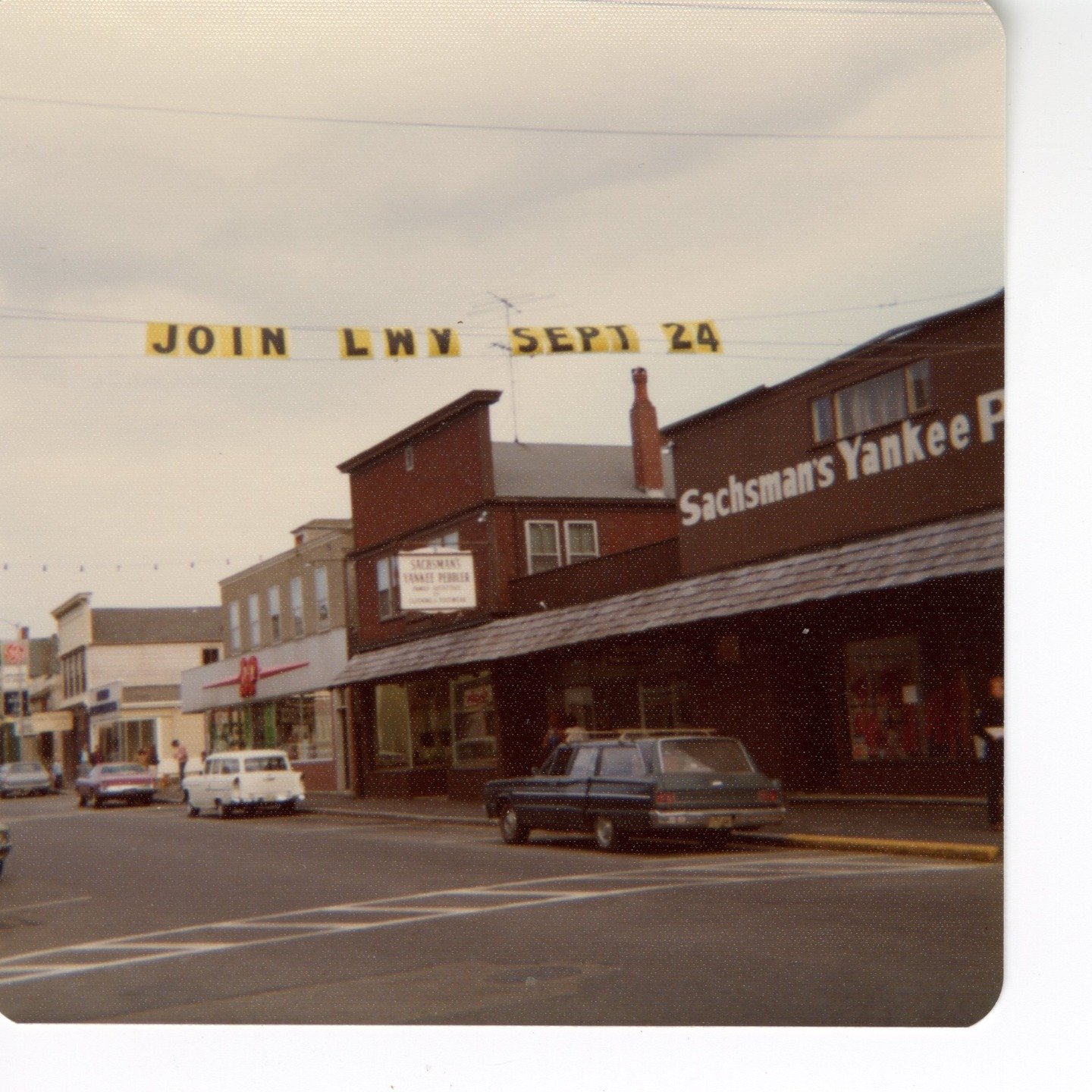
League of Women Voters Banner, 1974, LaRue Spiker, MDI Historical Society
There will be two chances to engage in local history next week! On Tuesday, March 24, at 9:30am, join MDI Historical Society Collections Manager Dr. Patrick Callaway for "The Maine That Never Was: British Plans for Maine, 1812-15." This talk will be online through UMPI.
On Thursday, March 26, at 6:30pm, Jesup Memorial Library will host Cara Ryan to kick off our 2026 Chebacco Author Talks series. Cara will discuss her article "Now More Than Ever: A History of MDI’s League of Women Voters and Its Work to Safeguard Democracy," published in the upcoming issue of the journal.
For more information and to register, sign up on the events section of our website. Link in bio.
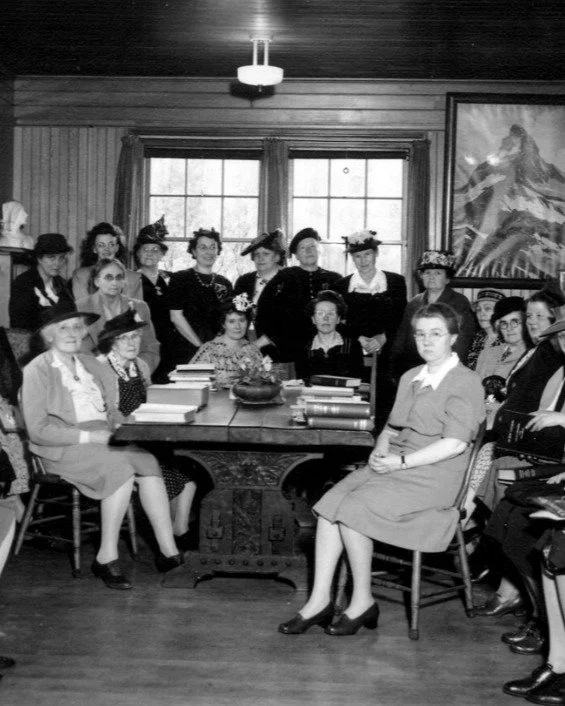
Did you know that the public libraries we love on Mount Desert Island were largely created and sustained by women's persistence? During the Progressive Era, these founding mothers embraced the concept of "municipal housekeeping," which allowed women to extend their roles as moral caretakers into the public sphere to improve civic life. Here are a few incredible stories of the women who shaped our island's literary landscape:
Visionaries in the Parlor: Many libraries started in private homes. In 1875, Maria Huntington and Endora Salisbury sparked the idea for the island's first free public library in Bar Harbor, with Salisbury housing the collection in her own spare room. In Bass Harbor, Vesta McRae managed an informal lending system out of her parlor for over 35 years, growing the collection to 1,200 volumes.
The Power of Clubs: In 1884, twelve women in Somesville formed The Ladies' Aid Society specifically to gather reading materials for residents. Similarly, the Northeast Harbor Women’s Literary Club, founded in 1908 by Belle Smallidge Knowles and Stella P. Hill, was the direct precursor to the Northeast Harbor Library.
Creative Grassroots Fundraising: Before major municipal funding was available, women used ingenious methods to buy books and land. Maud Mason Trask and the Owl Club in Southwest Harbor hosted "Dollar Socials," where members earned a dollar through unusual tasks and shared their stories, in rhyme, at gatherings to raise money. In Somesville, when funds for the librarian's salary were short, the librarian embroidered a table runner and sold ten-cent chances on it to cover the cost.
Leading Benefactors: While grassroots efforts built the foundation, women like Maria DeWitt Jesup and Rhoda M. Watson provided the substantial private funding to build the permanent, beautiful libraries we still visit today.
The First Professional Librarians: Women weren't just the founders; they were the first experts. Belle Smallidge Knowles was the first librarian in Northeast Harbor, and Ruth Eleanor Lawrence became Southwest Harbor’s first library school graduate in 1937, modernizing the collection and starting children’s programming.
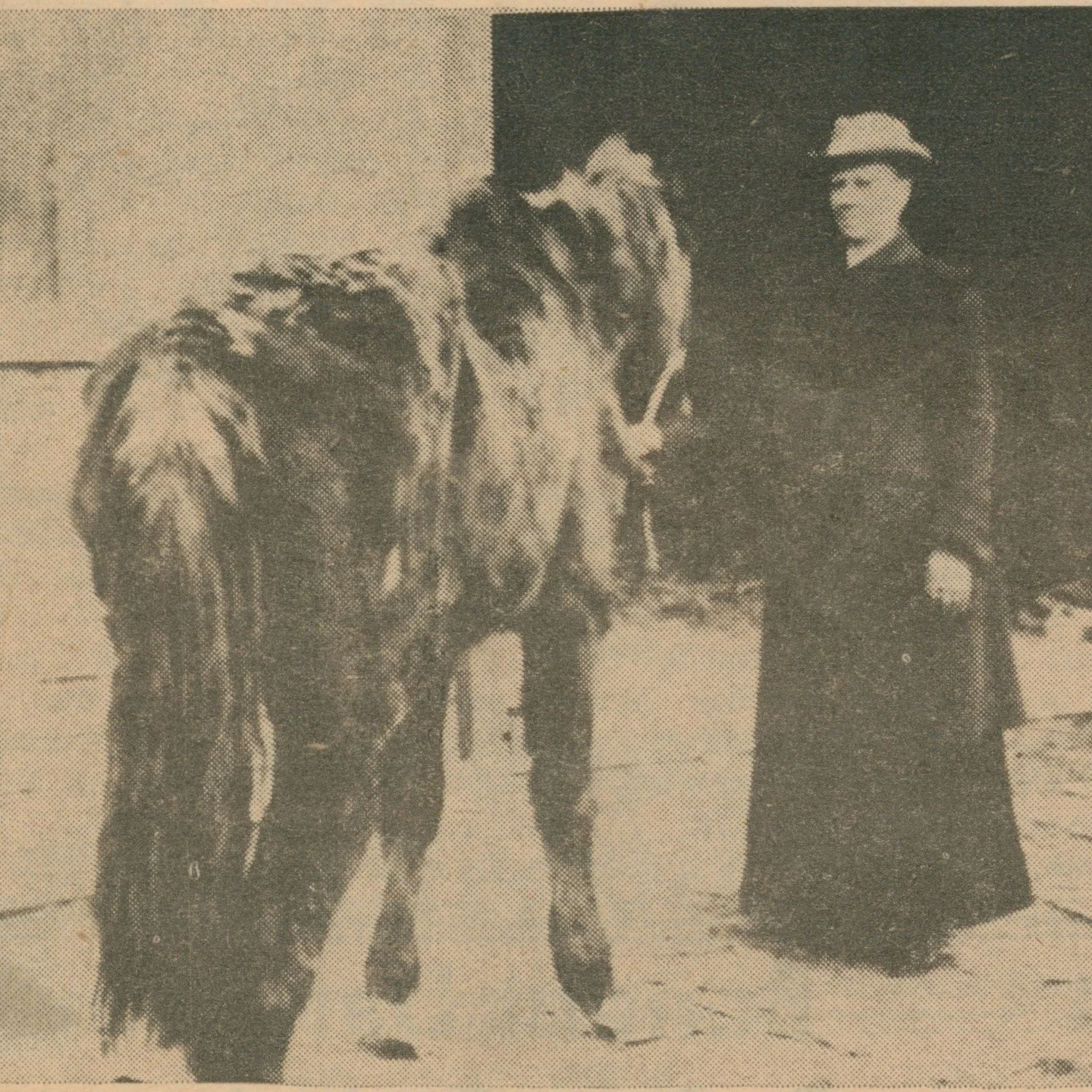
Meet Bar Harbor’s original force of nature, Juliett Nickerson. Born in town circa 1843, she was a woman who defied 19th-century convention with her signature gender-nonconforming style and fierce advocacy.
Often seen galloping her horse at "unfeminine" speeds in a man’s high-collared shirt, tie, and tailored jacket, Juliett served as the first female humane agent for both the Society for the Prevention of Cruelty to Animals and the Society to Prevent Cruelty to Children. She had the power to arrest, although she rarely did; was handy with a firearm; avoided destroying condemned animals whenever possible; and would stand up to any man or a meddlesome wife who got in her way.
Juliett was well known for strolling the streets of Bar Harbor during the Christmas shopping season, looking at the carriages tied up out front. Spying an unblanketed horse, she would search the stores and find the owner demanding that they be blanketed against the chill at once.
Juliett was fearless! One winter, she heard word of an abandoned flock of sheep starving on an island near Rockland. Once she confirmed the story, she hired a lobsterman to take her there, but during the voyage, a storm kicked up, and the captain wanted to return to port. Then, according to LaRue Spiker in a 1967 Bar Harbor Times article, “she turned the rifle on the boatman and told him she would blow his head off and take the boat out herself if he tried to turn back.” Not surprisingly, the journey continued.
Juliett would go on to operate the Nickerson House in Bar Harbor and the stables she had built behind it in later years. Upon her death, she was buried in the same dapper attire she wore in life.
Photo: 1967 Bar Harbor Times article by LaRue Spiker, Mount Desert Island Historical Society
So, you think you know everything about Acadia? Put your knowledge to the test at 5:30pm on March 19th at the MDI Historical Society’s History Happy Hour. Gather over good eats and good times at Peter Trout’s Tavern in Manset for a lively and challenging night of trivia covering Acadia National Park’s history, geography, infrastructure, and natural history led by two former Acadia National Park rangers and seasoned park veterans. Quizmasters Charlie Jacobi and Gary Stellpflug bring decades of experience, knowledge, and plenty of humor to the game. Prizes from Friends of Acadia await the top team!
All are welcome, and the event is free. Food and drink will be available for purchase. Go to mdihistory.org/events for more info and to register. Link in bio.
#historyhappyhour #AcadiaNationalPark #PeterTroutsTavern #MDIHistoricalSociety
Date Bar Recipe
2 eggs beaten, 1 cup brown sugar, ¾ cup flour, ½ tsp. baking powder, ½ teas. salt, nuts, dates and 1 teaspoon vanilla. Bake in a pan and cut into strips. ~Katherine MacLauchlan
from The Young Ladies Guild of the Congregational Church, Favorite Recipes (Machias, ME, 1936.)
What can a recipe for date bars reveal about women’s lives in early-twentieth-century Downeast Maine? Many of us are comfortable cooking from a recipe, but how does one approach a recipe as a historical source? Join Rachel A. Snell for an online discussion on Thursday, February 26, 2026, at 6:00 p.m. where she will share her methodology for reading recipes to explore why and how women collected them and how those recipes fit into their lives.
Go to mdihistory.org/events to register (link in bio)
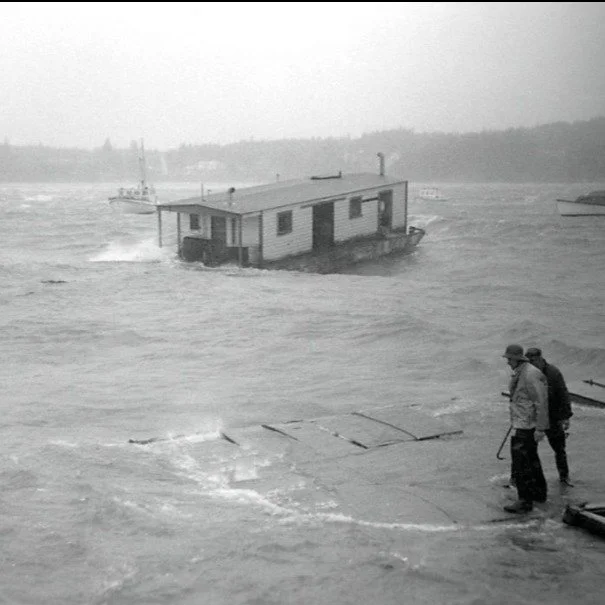
Maine has a reputation for bad storms, particularly the notorious nor'easters that blow through in winter. But we also get hurricanes, blizzards, and ice storms that wreak havoc on buildings, roads, ships, and utilities. Death-defying stories of survival are told and retold around hearths and over coffee for generations. Mainers love a good storm; it seems to run in the blood. Bad weather and how we survive it is a link that connects us to our ancestors, and by looking at the past, we can gain important tools for preparing for storms in the future.
On February 23, at 5pm at Woodlawn Ellsworth, MDI Historical Society Director Raney Bench will talk about historic storms, some of the challenges revealed by recent storms, and how climate change and sea level rise are shifting the storms of the future. Light refreshments will be served.
@woodlawnellsworth
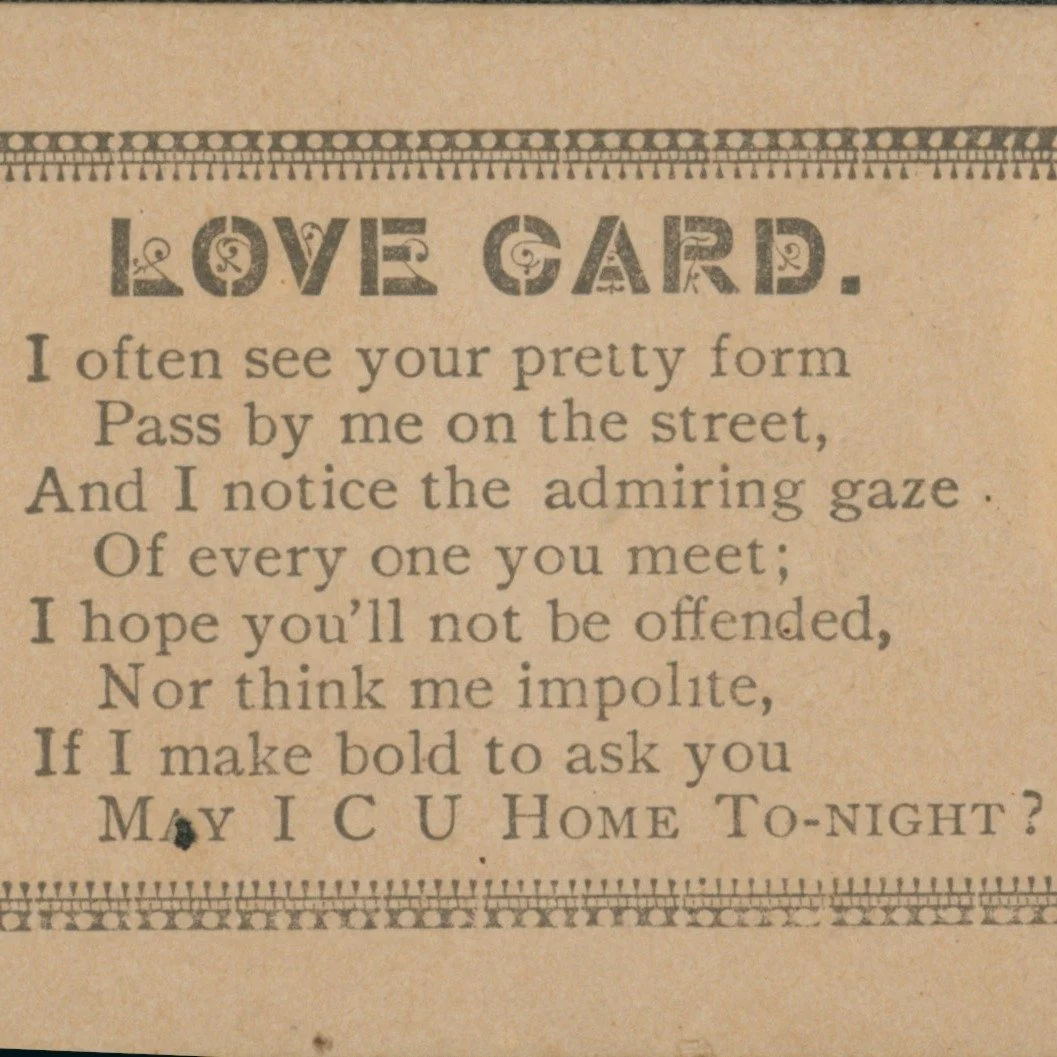
It's the 1800s, and you're out for a promenade, acting as your sister's chaperone, when a lovely young lady catches your eye. You steal glances as you walk past each other. You can't approach her as social etiquette forbids you to approach a single lady without a formal introduction, and it's also considered improper to offer her your escorting services directly. What are you to do?
Enter the flirtation, acquaintance, or escort card! A small 3.5x1.75 inch card produced by American calling card manufacturers in the 1870s and 1880s to subvert the conventions of the more formal calling card. Sold for less than one penny each, they allowed a gentleman to strike up a conversation with a member of the opposite sex. An interested gentleman would politely leave a card, and after reading it, if the lady was interested, she would return it, and a new connection would be made. A perfectly chosen card spoke to the gentleman's personality.
In a time where everything old is new again, Victorian acquaintance cards are making a comeback. Retro daters consider them a more tangible way to make a personal introduction and flirt in this increasingly digital world. Would you have accepted one of these cards?
Join us on Zoom on Thursday, February 5! Register at: https://mdihistory.org/events (link in bio)
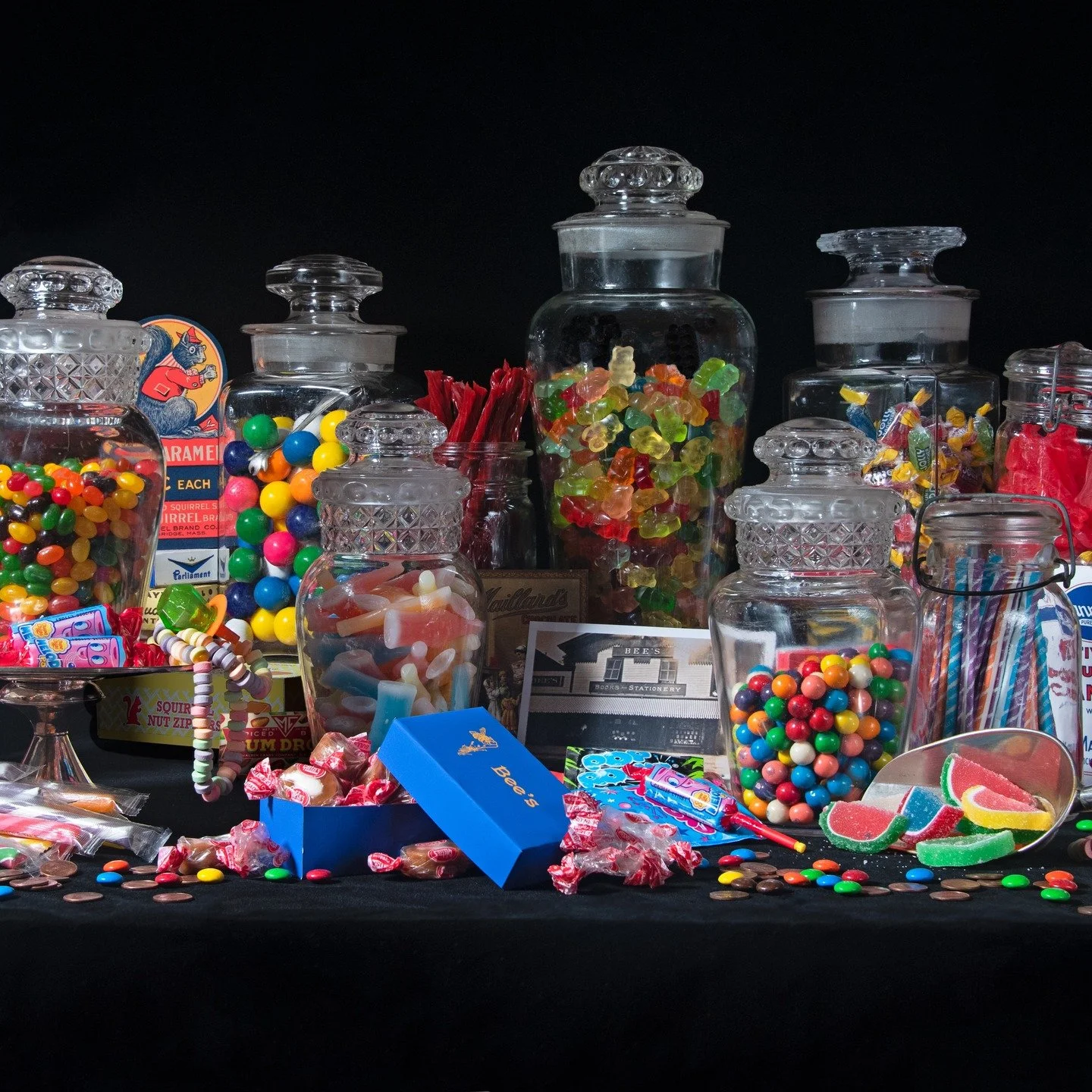
Bar Harbor artist Jennifer Booher has been a vital part of making our history journal, Chebacco, the beautiful and engaging publication it is today. She uses still life photography, cyanotype, and drawing to explore the fascinating intersection of science and history. For our 2025 edition, The Art of Nourishment, she created 12 photographs inspired by the 16th-century Dutch still-life tradition. While the project started with food, the artist and our authors soon realized they were talking about many kinds of nourishment: the community of church suppers, the preserving of culture through recipes, and even the weight of cultural expectations. Jennifer spent months sketching concepts, cooking historic recipes, and crowdsourcing props like neon signs and child-sized shopping carts.
Her work in this edition bridges the gap between high art and the everyday, substituting modern materials for the silver and glass found in traditional Dutch paintings. During the program, she will share the misadventures behind creating these images.
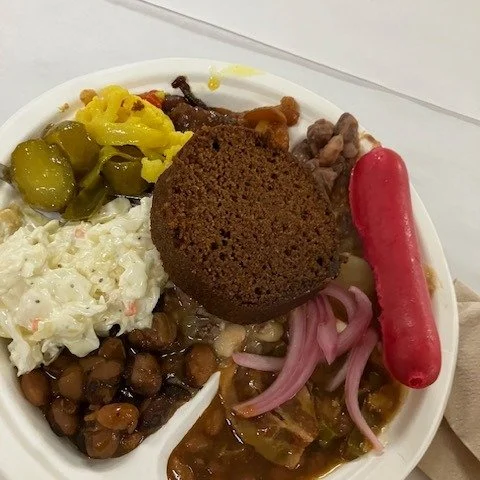
On the evening of January 19th we held our 15th Annual Community Bean Supper at the MDI High School. Over 140 people turned out to indulge in a traditional Maine feast of homemade baked beans and freshly baked desserts, complete with all the fixings. Over 20 individuals and businesses shared their bean dishes, from chilis and soups to traditional baked bean recipes, and over 20 bakers provided pies, bars, cookies, and crumbles. After supper, Raney Bench and Brian Henkel gave us a glimpse into the past of the high school consolidation story and a peek into the future of the reorganization plans for area schools. It was a warm and delicious evening of community, with friends and neighbors reconnecting on a snowy January night!
Thank you to everyone who came out last week, and to all of the volunteers who cooked, cleaned, and served food. Much thanks to Hannaford for their ongoing support of this event. We couldn't do it without all of you!
It's Baked Bean Supper time! Connect with community over a traditional Maine bean supper on Monday, January 19, 2025 from 6-8 pm at the MDI High School. Feast on all-you-can-eat beans, hot dogs, and brown bread, complete with all the fixings, followed by homemade pies and baked goods.
After supper, join us for a conversation about the first time MDI came together across all towns to form a unified high school. How did islanders overcome obstacles, engage in discussions, and ultimately decide to take the risk and open a new high school? Raney Bench will share a little of this history, and Superintendent Mike Zboray will give a summary of where conversations about an island middle school stand today.
Admission is $10 for adults and $5 for children. Tickets can be purchased online at mdihistory.org/shop or at the door on the day of the event.
A Town Hall With a Twist: Beer & Politics
This week, the Pour Farm Brewery in Union, Maine, made headlines by inviting U.S. Senate candidates to, by modern standards, a very unconventional town hall. Sen. Susan Collins, Gov. Janet Mills, and Sullivan Harbormaster Graham Platner were invited to a gathering where each candidate would chug a beer and then immediately answer a question from voters, with a 3-question (and beer) limit.
Journalist Alex Seitz-Wald, writing in the November 17th Midcoast Villager, described the event “as much about democracy as drinking.” The idea harks back to Revolutionary War-era taverns, which weren’t just places to grab a drink—they were vital spaces for civic engagement, where people of all social classes could mingle, debate, and engage with their communities.
Patrick Callaway, Collections Coordinator at the MDI Historical Society, notes that this type of campaigning was relatively commonplace in the 18th and 19th centuries. Taverns were the original third spaces- spots for entertainment, refreshment, and community gatherings. Politicians would meet people there, discuss issues, and try to show themselves as 'men of the people.' This tradition began to fade in the later 19th century as temperance movements and cultural shifts toward the nuclear family and home life changed the social landscape.
While the Pour Farm’s event might strike some as audacious today, it’s rooted in a long history of political engagement in New England, bringing a centuries-old tradition into the modern era.
Read the full story in the Midcoast Villager: midcoastvillager.com or learn more about the event at www.thepourfarm.com
This photograph from the Library of Congress shows William Henry Harrison and his running mate, John Tyler, in 1840, the first candidates to campaign actively for office, adopting the “log cabin” (or everyman) persona.
Are you ready to rev up your knowledge of historical vehicles, transportation tales, and cultural car history? Shift a dark December evening into high gear by joining us at History Happy Hour. We’re teaming up with the Seal Cove Auto Museum to bring you an evening of trivia that’s sure to be a joyride.
Gather over good eats and good times while putting your knowledge to the test with 4 rounds of transportation trivia and automobiles past and present. All ages are welcome, and admission is free! Food and drink will be available for purchase.

We are honored that Girl Scout Troop 1091 from Westbrook chose our bridge in Somesville to hold their bridging ceremony this weekend. Many of us here at the Historical Society were Girl Scouts, and seeing these photos brought back a lot of memories of camping and fire building, trips around the country, volunteering and selling cookies, along with our own bridging ceremonies. Were you a Girl Scout? What lessons, service projects or adventures do you remember taking part in?
The Girl Scouts were founded in 1912 in Savannah, Georgia , emphasizing outdoor skills, self-sufficiency, service, and leadership for girls at a time when those opportunities were rare. The first Girl Scout troop in Maine was formed in Augusta in 1917. Activities mirrored national trends: camping, community service, food and clothing drives during WWI and WWII.
Girl Scouts remind all of us what active citizenship looks like: teamwork, leadership, and leaving your corner of the world better than you found it.
@girlscoutsofmaine #CivicLife #GirlScouts #CivicsEducation #MDIHistory
Photo 1 Troop 1091 Westbrook, Bridging Ceremony Somesville, Sept 2025
Photo 2 Girl Scouts and members of the Daughters of the American Revolution, Marker dedication at Dennett Garrison House in Kittery, Maine, 1929. Rice Public Library
Chebacco 2025 is here and arriving in our member’s mailboxes! Become a member to receive your copy or order a copy at the link in bio.
The Schoolhouse Receives a Facelift Thanks to Generous Donor - The 1892 Sound Schoolhouse practically glows after a beautiful new paint job completed by Andrew Beitler and his team of painters. This historic building was showing wear and tear from winter storms and exposure. That inspired Chris Toomey to surprise the MDI Historical Society with a gift to have the building painted.
The schoolhouse is listed on the National Register of Historic Places. We encourage you to stop in and visit the schoolhouse Monday through Friday, 10:00am-4:00pm where visitors will find a small exhibit about the village of Sound and education in a one-room schoolhouse. We also use the space to catalog archival collections. Behind the schoolhouse are staff offices, the Ralph Stanley Research Library, and archive storage. For contact information visit the link in bio.
Affordable and available housing has reached a crisis on MDI and difficult conversations are taking place in every community about possible solutions. How did we get here?
Join us on September 19th at 5:30pm at the Northeast Harbor Library for “A History on Housing with Thoughts for the Future” with speakers Raney Bench from the Mount Desert Island Historical Society, and Susanne Paul and Noel Musson with the Housing Solutions Initiative.
Our history sheds light on how housing has kept pace with population growth and what changes brought about the current crises. Knowing the facts from our past adds context to the debates taking place today and provides models for community decision-making. Learn more about development and community growth over the past two centuries and explore how island residents and visitors resolved challenges in the past, followed by a conversation about our community values and how we can come together to solve problems. This talk is inspired by Eliza Bryant Worrick’s 2024 Chebacco article, ‘The Influence of the Seasonal Economy on Mount Desert Island’s Year-Round Housing Patterns.’
Register at the link in bio.
Presenting our 2024 Annual Report. View at the link in bio.
Reminder: Join us tomorrow, August 22 at 5:00pm for our 94th Annual Meeting at the Northeast Harbor Neighborhood House. The Society has been doing a lot — free monthly programs about local history, a new vision for our future, adding to the collections, and documenting current events for future generations. Come to the annual meeting to celebrate our successes in 2024, and to hear more about our exciting plans for the future. Election of officers and the board slate will follow. Light refreshments will be served.
News & Events Instagram Feed - @mdihistory
Click the images to learn more